Seasonal Allergies: How to Nip Them in the Bud
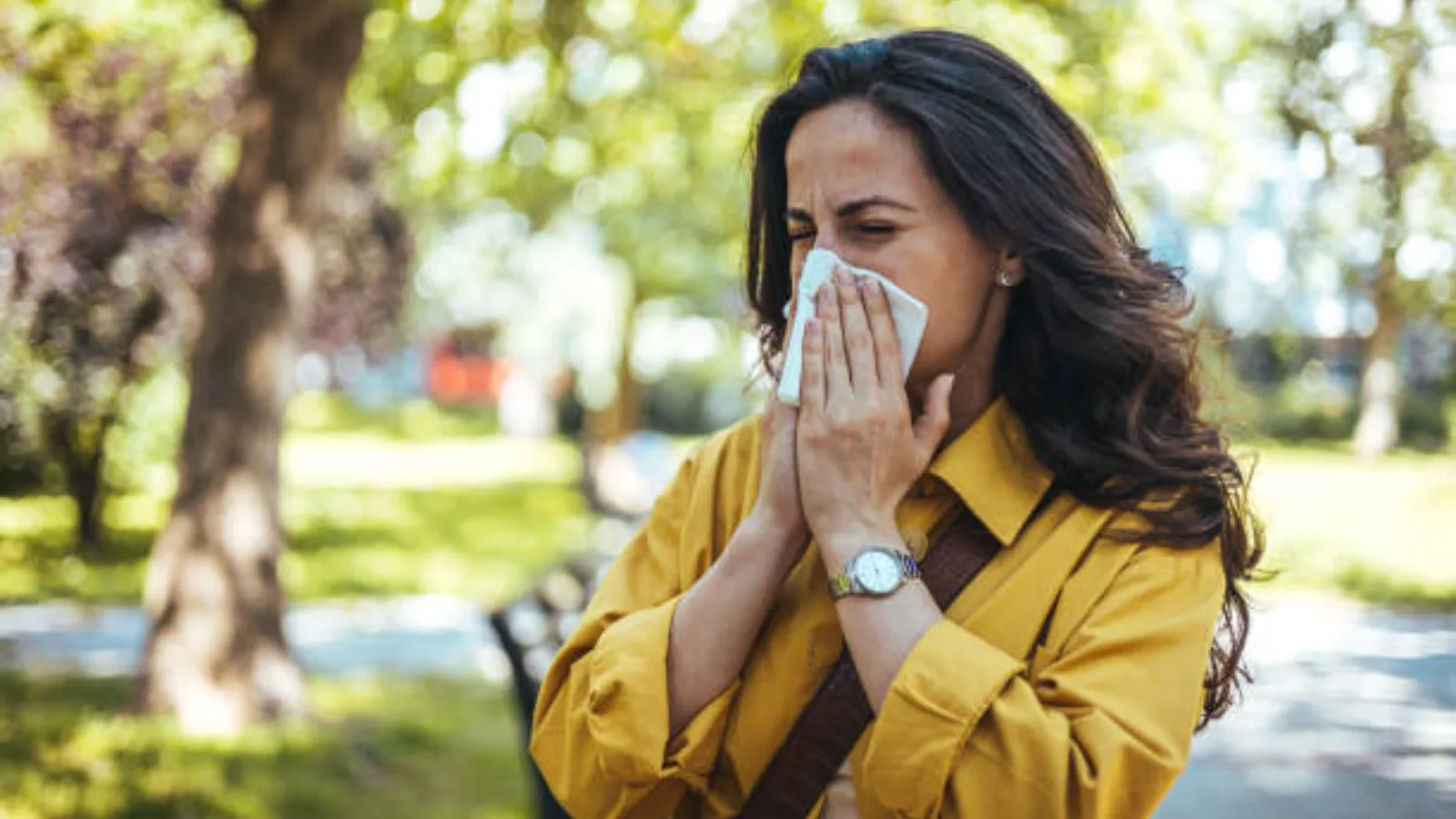
Reduce Your Exposure to Triggers The best way to manage allergies is to limit your contact with the pollen and outdoor elements that cause them:
Time your outings: Stay indoors on dry, windy days. The best time to go outside is right after a good rain, which helps clear pollen from the air.
Delegate yard work: Avoid lawn mowing, weed pulling, and other gardening chores that stir up allergens. If you must do outdoor chores, wear a protective face mask.
Wash away the pollen: When you come inside, remove the clothes you wore outdoors and take a quick shower to rinse pollen from your skin and hair.
Dry clothes indoors: Don't hang your laundry outside, as pollen can easily stick to clean sheets and towels.
Take Extra Steps on High-Pollen Days When pollen counts peak, your symptoms can flare up quickly. Stay ahead of the curve with these habits:
Check your local weather forecast for current pollen levels.
If high pollen counts are predicted, start taking your allergy medications before your symptoms even begin.
Keep your doors and windows closed at night and during peak pollen hours.
Avoid outdoor activities in the early morning, as this is typically when pollen counts are highest.
Keep Your Indoor Air Clean While no product can eliminate 100% of the allergens in your home, these adjustments can make a huge difference:
Use air conditioning in both your house and your car rather than opening windows.
Use high-efficiency filters for your HVAC system and change them regularly.
Keep indoor air dry with a dehumidifier to prevent mold.
Run a portable HEPA (high-efficiency particulate air) filter in your bedroom.
Vacuum your floors frequently using a vacuum equipped with a HEPA filter.
Try Over-the-Counter Remedies Several accessible medications can help ease your symptoms. Always consult your doctor before starting a new daily medication:
Oral Antihistamines: These help relieve sneezing, itching, a runny nose, and watery eyes.
Corticosteroid Nasal Sprays: Effective for reducing inflammation and improving severe nasal symptoms.
Cromolyn Sodium Nasal Sprays: These block the release of immune system agents that cause symptoms. They work best when started before exposure to allergens.
Oral Decongestants: These provide temporary relief from a stuffy nose. Some medications combine an antihistamine with a decongestant for dual relief.
Rinse Your Sinuses Rinsing your nasal passages with a saline solution (nasal irrigation) is a quick, inexpensive, and highly effective way to relieve congestion. It physically flushes mucus and trapped allergens right out of your nose.
You can buy ready-made saline kits or make your own. If making it at home, always use bottled, distilled, or previously boiled water to prevent infection.
DIY Solution: Mix 1 liter of water with 1.5 teaspoons of canning salt and 1 teaspoon of baking soda.
Always rinse your irrigation device (like a neti pot) with clean water and let it air-dry after each use.
When Home Remedies Aren't Enough For many, avoiding triggers and taking basic medication is enough. But if your allergies are still interfering with your life, don't give up. Talk to a healthcare provider.
They may recommend skin or blood tests to identify your exact triggers, which allows for a highly targeted treatment plan. For severe allergies, immunotherapy (allergy shots or sublingual tablets) can gradually desensitize your immune system, offering long-term relief.

General information, not medical advice.